Bozeman Duplex: A Real Deal Breakdown — Pro Forma, Tenant Disaster, and Final Numbers
 Alex Wright
This is a breakdown of my first investment property — a duplex I purchased in Bozeman, Montana. By the numbers, it was one of the best investments I've made. By the process, it had serious gaps that I was fortunate not to pay for more dearly.
I'm sharing the full underwriting, what actually happened, and what a proper stress test would have surfaced — because the final return obscures a lot of things worth understanding before your next deal.
The Original Underwriting
The property was a duplex in a strong Bozeman neighborhood. I bought it in the early 2020s when rates were still low and the Montana market was accelerating. Two units, both occupied, immediate income.
| Input | Value |
|---|---|
| Purchase price | $415,000 |
| Down payment (~24%) | $100,000 |
| Closing costs | $5,000 |
| Total initial investment | $105,000 |
| Loan amount | $315,000 |
| Interest rate | 3.5% (30-year fixed) |
| Monthly debt service | $1,414 |
Projected Income
= $3,100/mo → $37,200/yr gross rent
Applying a standard 5% vacancy rate to account for turnover between tenancies:
= $35,340 effective gross income (EGI)
Projected Expenses
Operating expenses for a duplex typically run 28–35% of gross rent, covering property taxes, insurance, maintenance, and reserves. I modeled the lower end.
= $10,416 estimated annual operating expenses
= $24,924 Net Operating Income (NOI)
Original Pro Forma — Key Metrics
Pencils InCap Rate
6.0%
$24,924 ÷ $415,000
DSCR
1.46x
$24,924 ÷ $16,970
Annual Cash Flow
$7,954
NOI − debt service
Cash-on-Cash
7.6%
$7,954 ÷ $105,000
A 6.0% cap rate in Bozeman at the time was respectable. DSCR of 1.46x cleared most lender thresholds with margin to spare. The deal looked clean.
The problem is what that pro forma didn't show.
The Tenant Situation
The duplex came with both units occupied — which I initially treated as a feature. No vacancy period, no marketing, immediate rental income on day one. I spent significantly more time analyzing the property's income potential than I spent evaluating the people responsible for producing that income.
That was the mistake.
One tenant stopped paying rent, triggering a legal dispute that took over a year to fully resolve. The legal fees alone ran close to $20,000. Add repairs and a few months of lost rent before I moved into the unit myself, and the total hit was somewhere in the $25,000–$30,000 range when everything was counted.
Breaking Down the Costs
| Item | Estimated Cost |
|---|---|
| Legal fees (attorney, filings, court costs) | ~$20,000 |
| Lost rent (months before I moved in) | ~$5,500 |
| Repairs and unit cleanup | $4,000 |
| Miscellaneous (time, admin) | $500 |
| Total | ~$30,000 |
The lost rent number is actually hard to pin down cleanly. While the dispute was active, complaints were filed with the local building department, which created an occupancy issue on that unit. I couldn't re-rent it while that was unresolved — so I moved into it myself. That decision gave me a path forward, but it wasn't a plan I had thought through. I was adapting in real time.
The legal fees were the real number. Close to $20,000 for a dispute on a single rental unit. That's not an outlier — tenant disputes that go through the legal system often end up in that range once you add attorney hours, filings, hearings, and the time it takes to get a resolution.
What Year 1 Actually Looked Like
The pro forma projected roughly $7,954 in annual cash flow. Here's how Year 1 actually compared:
| Line Item | Projected | Actual (Year 1) |
|---|---|---|
| Gross rent collected | $37,200 | ~$25,700 |
| Operating expenses | $10,416 | $14,500 (repairs + admin) |
| Legal / dispute costs | $0 | ~$20,000 |
| NOI | $24,924 | ~($8,800) |
| Debt service | $16,970 | $16,970 |
| Net cash flow | +$7,954 | ~($25,770) |
The swing from projected to actual in Year 1 was over $33,000. The property went from projected positive cash flow of $7,954 to consuming roughly $25,000+ when the legal costs hit.
This is what operational risk that doesn't appear in a pro forma actually looks like.
The Stress Test I Didn't Run
A proper risk analysis should have included a scenario where one unit goes dark for 12 months. It's not a far-fetched assumption — it's one of the most predictable disruptions a rental property can face.
Downside Scenario: One Unit Dark for 12 Months
Cash Flow NegativeIncome (1 unit, 12 mo)
$19,200
$1,600 × 12
Operating Expenses
$10,416
NOI (stressed)
$8,784
DSCR (stressed)
0.52x
Below debt coverage
At 0.52x DSCR, the property cannot cover its own debt service. The gap is roughly $8,186 — money that has to come out of pocket or reserves.
This scenario — one unit offline for a year — is exactly what happened. And there was no reserve built to absorb it. There was no "if this happens, here's the plan" documented anywhere. The duplex structure gave me an exit (move into the empty unit) but that was fortune, not planning.
The question to ask before closing on any rental property with inherited tenants:
If one unit produces no income for 12 months, can I cover the gap and still execute the business plan?
I couldn't answer that question clearly at the time. I should have been able to.
What Appreciation Actually Covered
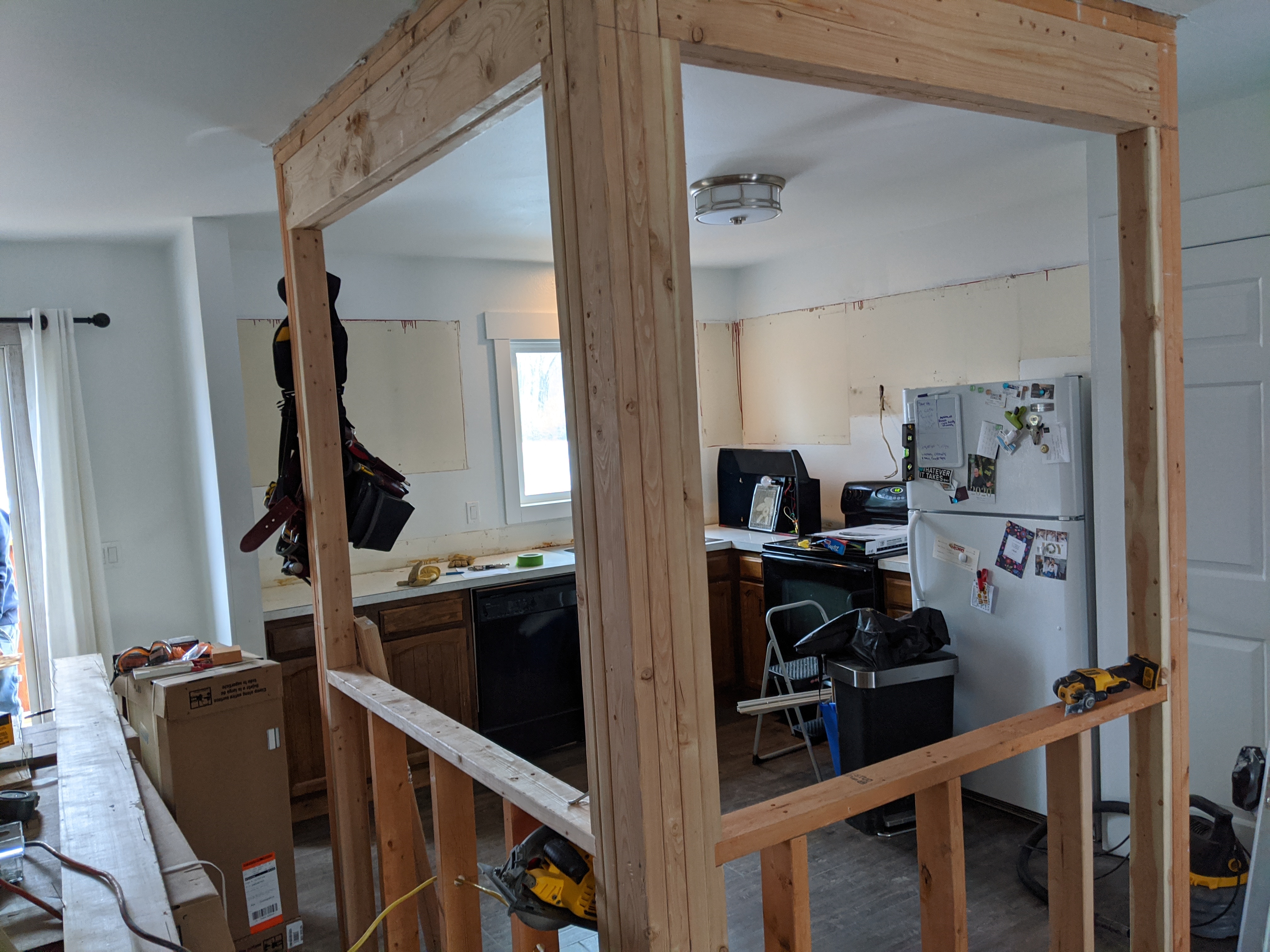
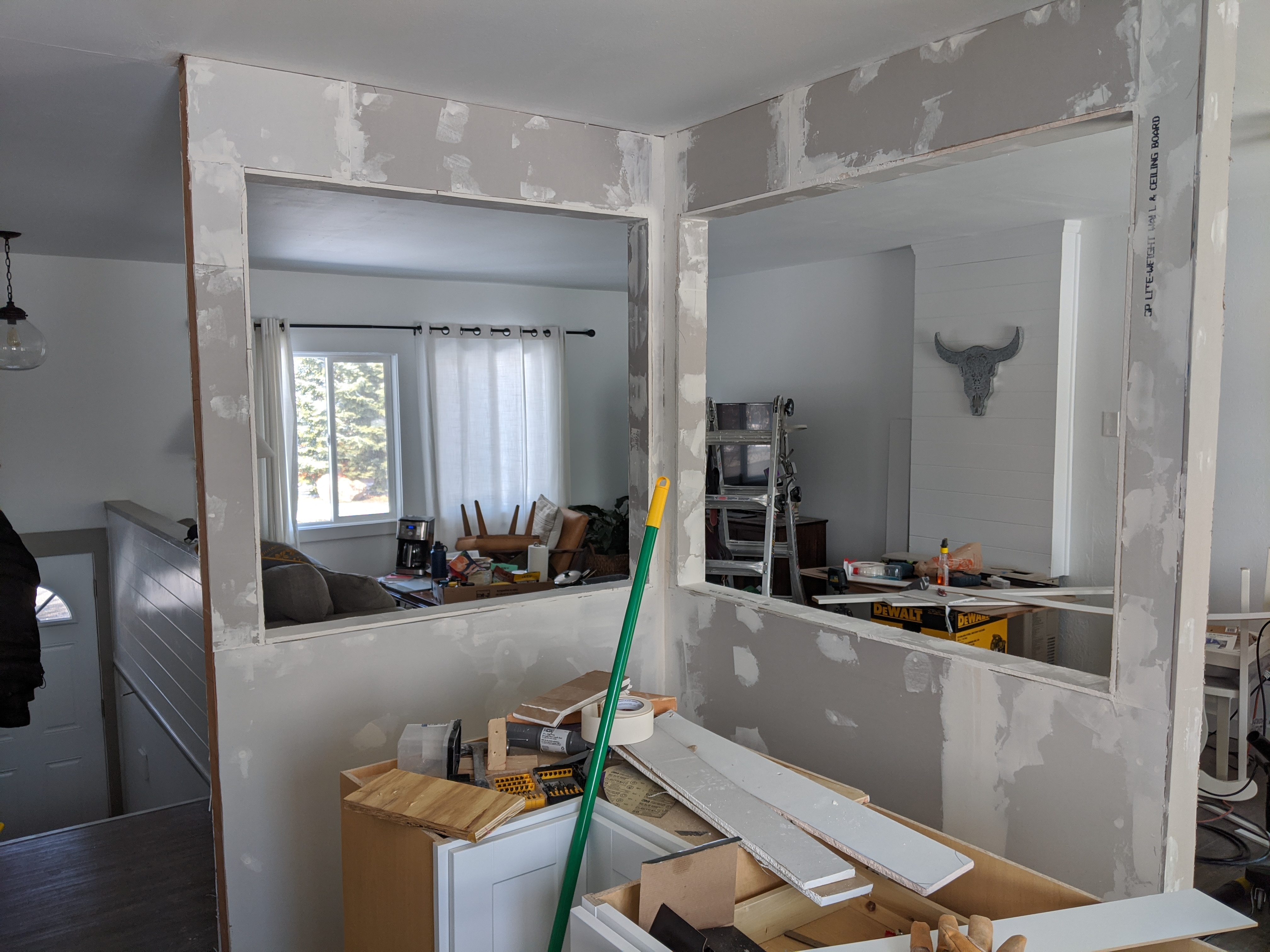
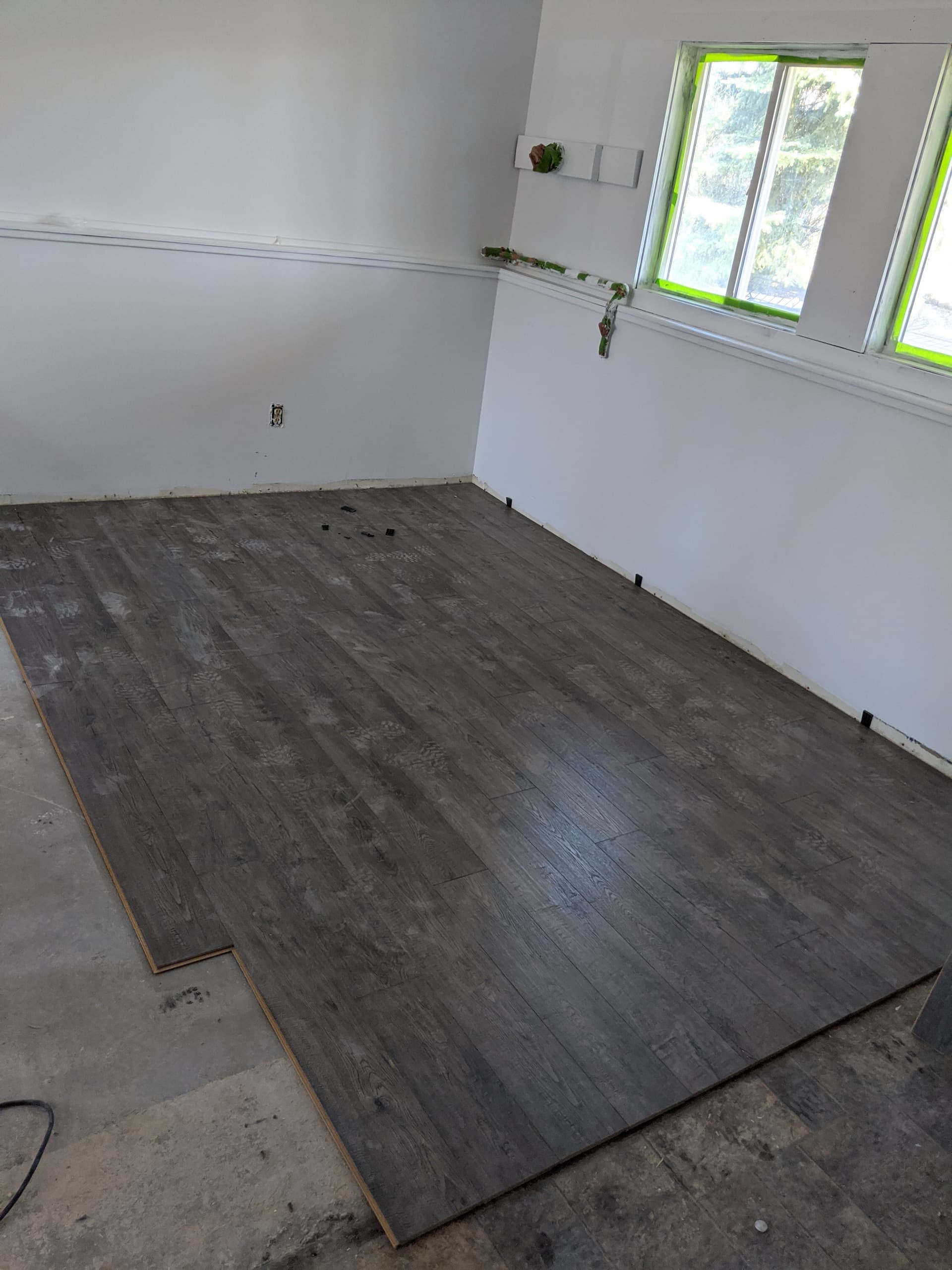
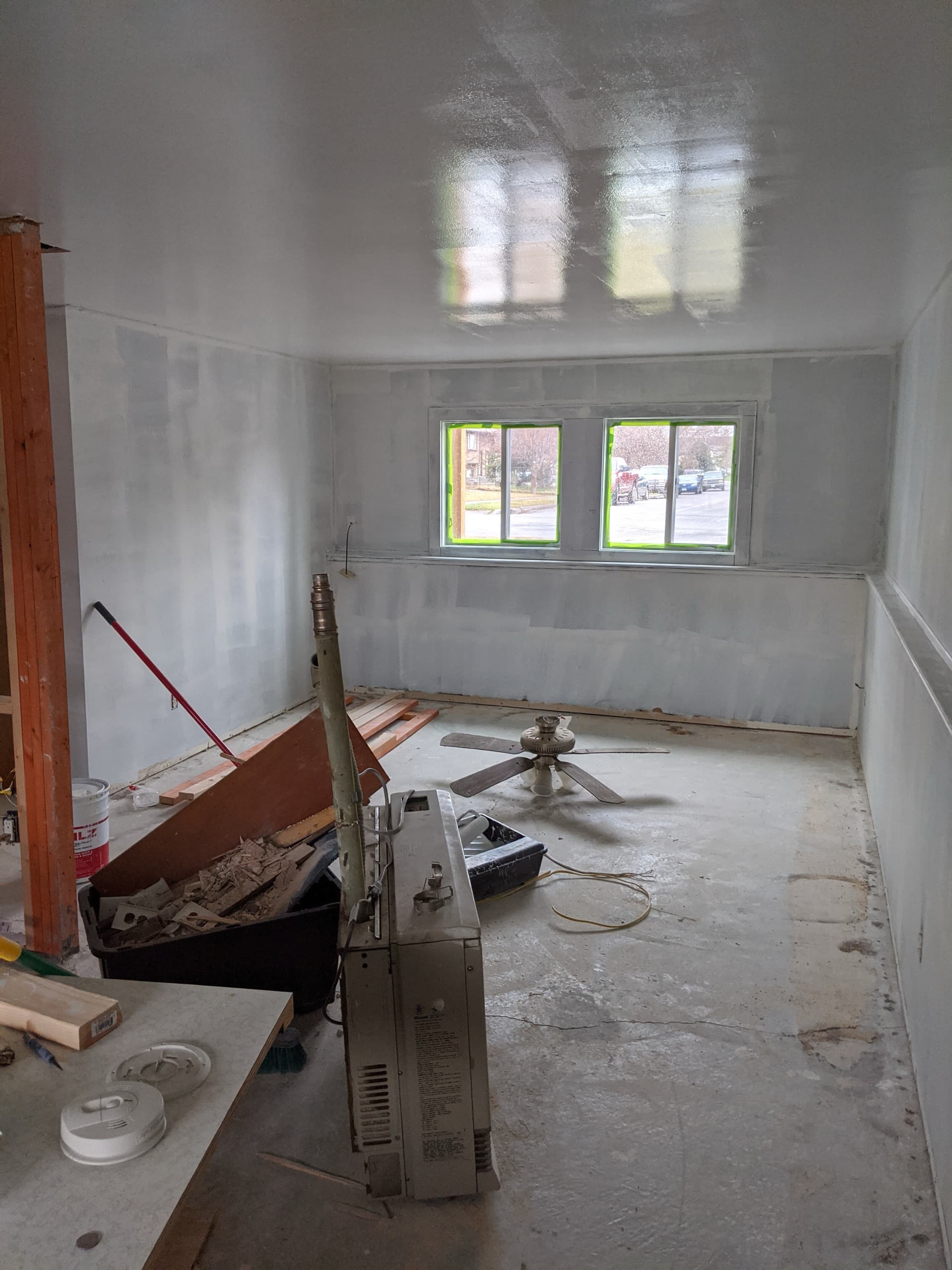
Over three years I invested another $30,000 in renovations — framing, drywall, new flooring throughout, and a full paint job on both units. By the time I sold, the numbers looked like this:
| Item | Amount |
|---|---|
| Purchase price | $415,000 |
| Initial investment (down + closing) | $105,000 |
| Renovations over 3 years | $30,000 |
| Total cash invested | $135,000 |
| Sale price | $850,000 |
| Loan balance at sale | ~$298,000 |
| Net sale proceeds | ~$552,000 |
= 4.1x equity multiple
= ~209% total return over 3 years (~46% annualized)
The numbers look excellent. And they are. But it's important to understand what actually drove them — because the process didn't.
The market ran up and covered the tenant mistake, covered the inadequate reserves, and covered the missing contingency plan. That's not analysis. That's luck.
The question I try to ask now about any deal: if this property appreciates 0% in 3 years, does the deal still work?
Three Things I'd Do Differently
1. Treat Inherited Tenants Like New Applicants
Every inherited tenant should go through the same screening as a new lease: income verification, credit check, rental history, and a court-records search. A quick county court search would have surfaced the prior disputes. That search takes about ten minutes and costs nothing in most jurisdictions.
If a tenant won't consent to standard screening, treat that as a red flag equivalent to a failed background check.
2. Model the One-Unit-Dark Scenario Before Closing
On any two-to-four-unit property, run the numbers assuming one unit produces zero income for 12 months. If the deal can't survive that scenario with reserves in place, either the price needs to come down or you need to build the reserve into the deal structure.
For a full framework on stress testing rental deals, see Rental Property Analysis: Step-by-Step Breakdown.
3. Distinguish Between Returns and Good Decisions
A strong return and a sound process often coincide — but they're not the same thing. The duplex produced an excellent return because Bozeman was one of the fastest-appreciating markets in the country during the hold period. That appreciation didn't validate the tenant screening process. It didn't validate the lack of reserves. It just covered the cost of those gaps.
The habits you build on your first few deals carry into the rest of your portfolio. A market that rewards a flawed process can be more dangerous than one that punishes it early.
Inherited Tenant Due Diligence — Minimum Standard
| Check | Why It Matters |
|---|---|
| Income verification (pay stubs, bank statements) | Confirms ability to pay at current rent |
| Credit check (TransUnion, Equifax, Experian) | Surfaces debt load, collections, evictions |
| Rental history + landlord references | Prior landlords will tell you things credit won't |
| Court records search (county + federal) | Prior evictions, litigation history, restraining orders |
| Current lease review | Confirms term, rent, deposit held, any concessions |
| Estoppel letter or tenant interview | Confirms no undisclosed agreements with the seller |
None of this is complicated. Most of it is free or costs under $50 per tenant. The ~$30,000 mistake above would have cost roughly $30 and 20 minutes to avoid.
Related Reading
- How to Analyze a Duplex Investment — Full Framework
- Real Estate Contingency Planning: When the Deal Doesn't Go as Expected
- Real Estate Investment Risk Analysis — A Practical Framework
- What DSCR Do Banks Require for Investment Properties?
- Rental Property Analysis: Step-by-Step Breakdown
Ready to run the numbers on your own deal?
Run Your Own Deal — Free →
Alex Wright
Real Estate Investor & Founder of DealForge
Alex Wright is a real estate investor and full-stack engineer focused on helping investors make better decisions through clearer deal analysis. After six years as a realtor and more than a decade investing in real estate, he built DealForge to close the gap between how deals are marketed and how they actually perform.
Ready to analyze your own deal?