What Made a $1.2M Big Sky Lot Sell for $975K? A Land Pricing Case Study
 Alex Wright
I listed this property as a real estate agent working the Big Sky and Bozeman markets. It's one of the most interesting pricing negotiations I've been part of — not because anything went wrong, but because of how cleanly it illustrated something most land buyers don't fully price in until it's too late.
The lot was genuinely beautiful. The eventual discount had nothing to do with the views, the location, or the market.
It had everything to do with what it would take to build.
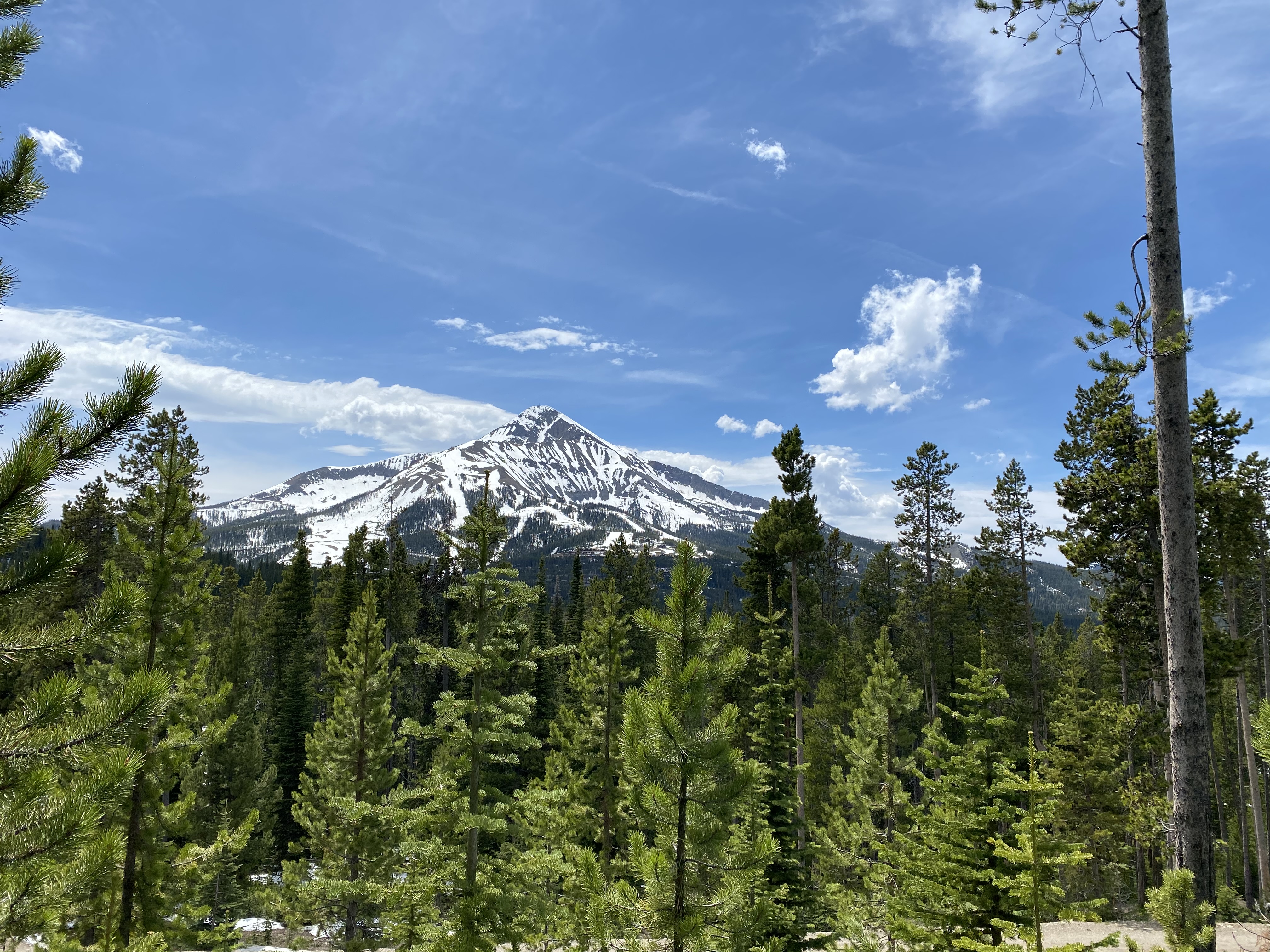
The Property
The lot was 3.42 acres in Moonlight Basin, a private residential community adjacent to Big Sky Resort in southwestern Montana. At the time, Moonlight Basin was — and still is — one of the most sought-after addresses in the region. Ski access, resort amenities, dramatic mountain terrain, and a level of exclusivity that draws serious buyers from across the country.
| Property Detail | Description |
|---|---|
| Location | Moonlight Basin, Big Sky, MT |
| Size | 3.42 acres |
| Features | Mountain views, pond, natural creek(s), multiple building envelopes |
| Zoning / use | Single-family residential, Moonlight Basin community |
| List price | $1,200,000 |
| Sale price | $975,000 |
| Discount | $225,000 (18.75%) |
On paper and in person, it checked every box luxury buyers in that market care about. I showed it roughly ten times. The reaction was almost always identical — people stepped onto the property, took in the views, saw the water features, and immediately started mentally placing a home on it.
The funny thing was that nobody disliked the lot. Most lots get eliminated immediately — wrong views, wrong shape, wrong access, something. This one did the opposite. Buyers would leave excited, call a builder, then come back with more questions than answers.
The challenge wasn't selling the lot. It was the conversation that started after every showing.
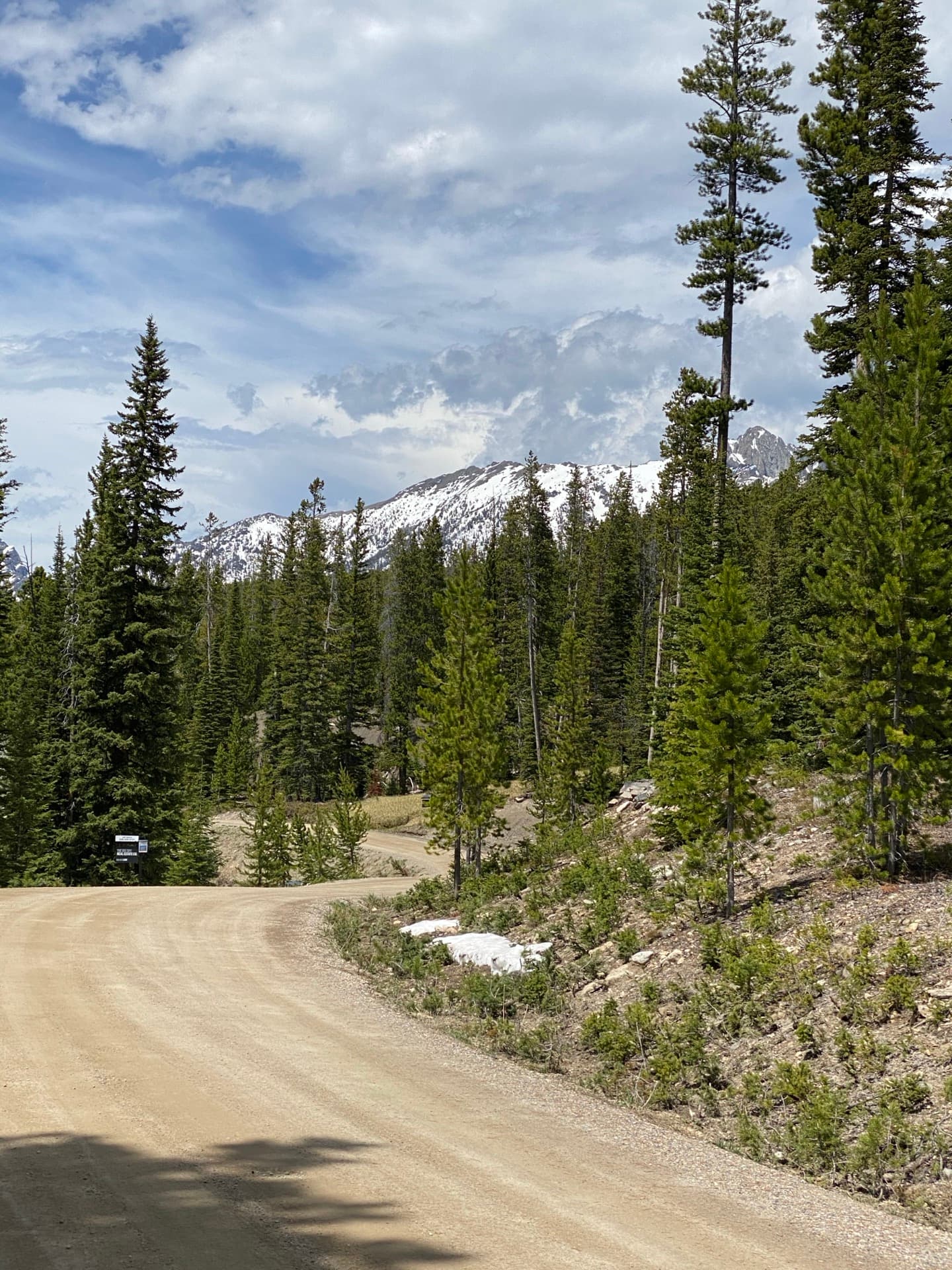
Why We Ordered the Geotechnical Report Before a Buyer Asked
One thing I've never been comfortable with as an agent is the strategy of hoping a buyer doesn't find something. If a property has material questions, I'd rather know the answers early and present them openly than let a deal fall apart after a buyer has spent time and money on due diligence.
This lot had significant water movement across portions of the site. Natural springs, seasonal drainage patterns, slope variability, and the creek running through part of the property all raised legitimate questions about where a home could be built and what kind of foundation system it might require.
The geotech report didn't disqualify the property. It provided specificity. And in land transactions, specificity — even when the news isn't perfect — is almost always better than uncertainty.
The cost of a typical geotechnical investigation for a residential lot in Montana at the time was roughly $4,000–$8,000. That investment changed the entire character of the buyer conversations that followed.
The Real Cost Wasn't the Land — It Was the Total Development Budget
Most buyers didn't disengage immediately after reviewing the geotech findings. They toured the property, asked questions, reviewed the report, and left excited.
Then the follow-up conversations started shifting.
Not about the views. Not about the pond. Not about the privacy or the ski access.
About the numbers.
Once buyers started talking to builders and structural engineers, they discovered that the purchase price was only one component of the total investment. Depending on final home placement and design, the site might require:
- Drainage improvements and engineered grading
- Specialized foundation systems (including potentially helical piers)
- Retaining structures in certain building locations
- Extended utility routing to reach optimal building envelopes
None of this was disqualifying. All of it was real. And all of it cost money that had to come from somewhere in the total development budget.
What the $225,000 Discount Actually Represented
A simplified version of how a buyer might frame this decision:
| Scenario | Simple Lot | This Lot |
|---|---|---|
| Total development budget | $3,500,000 | $3,500,000 |
| Target finished home cost | $2,800,000 | $2,800,000 |
| Estimated standard site work | $150,000 | $150,000 |
| Additional site complexity costs | $0 | $200,000–$300,000 |
| Residual available for land | ~$550,000 | ~$250,000–$350,000 |
| Comparable lot pricing | $1,000,000–$1,200,000 | $1,000,000–$1,200,000 |
This is a rough illustration, not the exact buyer math — every buyer's budget and home program is different. But it shows why the negotiation wasn't really about the land's intrinsic value. It was about what was left over after the total project was accounted for.
= When site work increases, land value decreases by the same amount
The buyer who ultimately purchased the lot at $975,000 understood this and used it to anchor the negotiation. The $225,000 discount wasn't arbitrary — it was a fairly direct reflection of the estimated site preparation premium relative to a simpler comparable lot.
A Note on Timing
This transaction happened before the COVID-era appreciation wave that transformed pricing across Big Sky, Moonlight Basin, and similar mountain resort markets between 2020 and 2022.
During that period, remote work demand, low inventory, and compressed diligence timelines pushed prices dramatically higher. Lots that would have been carefully scrutinized in a normal market were transacting quickly, sometimes with limited inspection contingencies. The same property — the same site conditions — could easily have commanded closer to list price at the peak of that cycle.
This is a version of the same outcome bias problem that shows up in investment properties: strong market conditions can make flawed analysis look correct. The lesson is the same regardless of asset type.
What This Means If You're Buying Land
The Big Sky lot taught me something I apply to every land evaluation now: beautiful properties are not automatically simple properties. Some of the most visually striking lots in Montana — the ones with creek frontage, dramatic topography, mature trees, and mountain views — come with the most complex engineering challenges.
Buyers don't just purchase views, ponds, privacy, or acreage. They purchase the ability to successfully execute a plan on a piece of ground.
The due diligence questions that matter most on vacant land
| Question | Why It Matters |
|---|---|
| Where exactly can I build? | Setbacks, easements, flood zones, and deed restrictions can eliminate large portions of a lot |
| What will the foundation require? | Soil conditions, slope, and groundwater determine whether conventional foundations work or specialized systems are needed |
| What does site drainage look like? | Natural springs, seasonal water flow, and FEMA flood mapping affect both buildability and cost |
| What utility connections exist? | Running water, sewer, power, and data to a remote building envelope can add $50K–$200K+ to project cost |
| Are there environmental constraints? | Wetlands, stream buffers, protected vegetation, or wildlife corridors can restrict where and how you build |
| What does the geotech say? | A geotechnical investigation answers the subsurface questions a site visit cannot |
How to Think About Valuing Developable Land
Residential land — especially in resort and mountain markets — is often valued on a comparable sales basis adjusted for location, views, size, and amenities. But that approach misses a critical variable: the cost to actually develop the site.
A more complete framework for land valuation looks something like this:
= The 'residual land value' — what the land is worth given everything that has to happen to it
This is the same logic developers use when underwriting ground-up projects — see How to Analyze a Ground-Up Development Deal for a full walkthrough of that framework. The principle applies equally to a single-family lot purchase: the land is worth what's left over after all the other costs are subtracted from the finished value.
When site conditions add $200,000–$300,000 to the development cost, that amount comes directly out of what a rational buyer can pay for the land. Not as a negotiating tactic. As math.
Three Things This Deal Taught Me About Land
1. Proactive due diligence changes the negotiation dynamic
Ordering the geotech report before listing gave us a defensible answer when buyers raised questions. Instead of a seller scrambling to respond to a buyer's findings mid-contract, we came to the table with documented information. The price still came down — but it came down based on actual data, not fear of what might be there.
2. The negotiation was about total development cost, not land price
The $975,000 sale price wasn't negotiated on the basis of comparable lot sales. It was negotiated on the basis of what was left in a buyer's budget after accounting for what it would actually cost to build on the property. Understanding that distinction changes how you approach both the listing and the offer.
3. Beautiful and buildable are different things
This is the lesson I carry into every land conversation. A lot with a pond, creek, and mountain views is visually appealing precisely because of features that often correlate with site complexity: water, drainage, slope, soft soils. The same things that make a lot look incredible in photos can add six figures to the cost of developing it.
Evaluate the property for what you can build on it, not just what you can see from it.
Related Reading
- How to Analyze a Ground-Up Development Deal
- Real Estate Contingency Planning: When the Deal Doesn't Go as Expected
- Bozeman Duplex: A Real Deal Breakdown — Pro Forma, Tenant Disaster, and Final Numbers
- Real Estate Investment Risk Analysis — A Practical Framework
- How to Calculate Development Yield
Ready to run the numbers on your own deal?
Analyze Your Next Deal — Free →
Alex Wright
Real Estate Investor & Founder of DealForge
Alex Wright is a real estate investor and full-stack engineer focused on helping investors make better decisions through clearer deal analysis. After six years as a realtor and more than a decade investing in real estate, he built DealForge to close the gap between how deals are marketed and how they actually perform.
Ready to analyze your own deal?